Click below to view moments from Perdida.


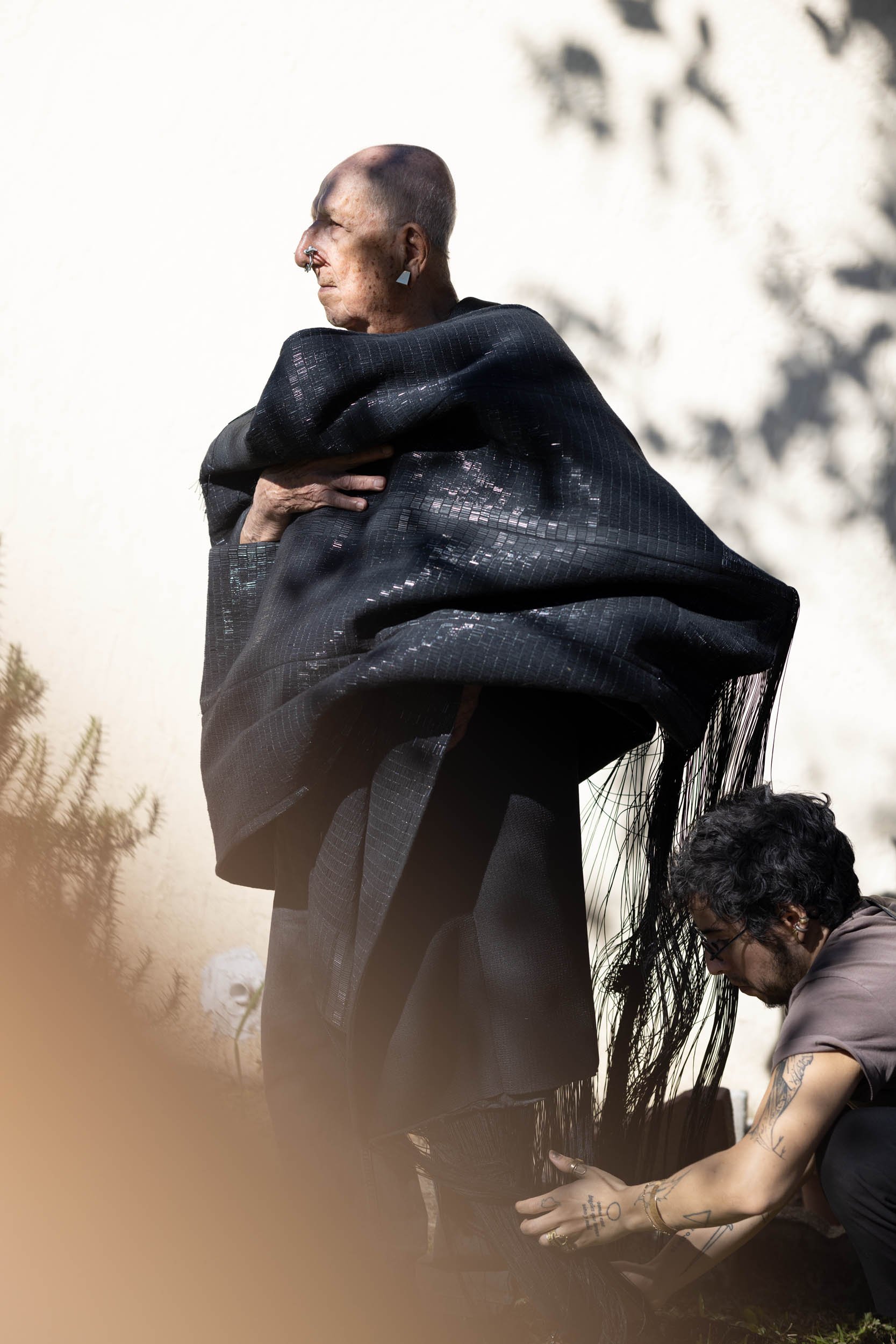


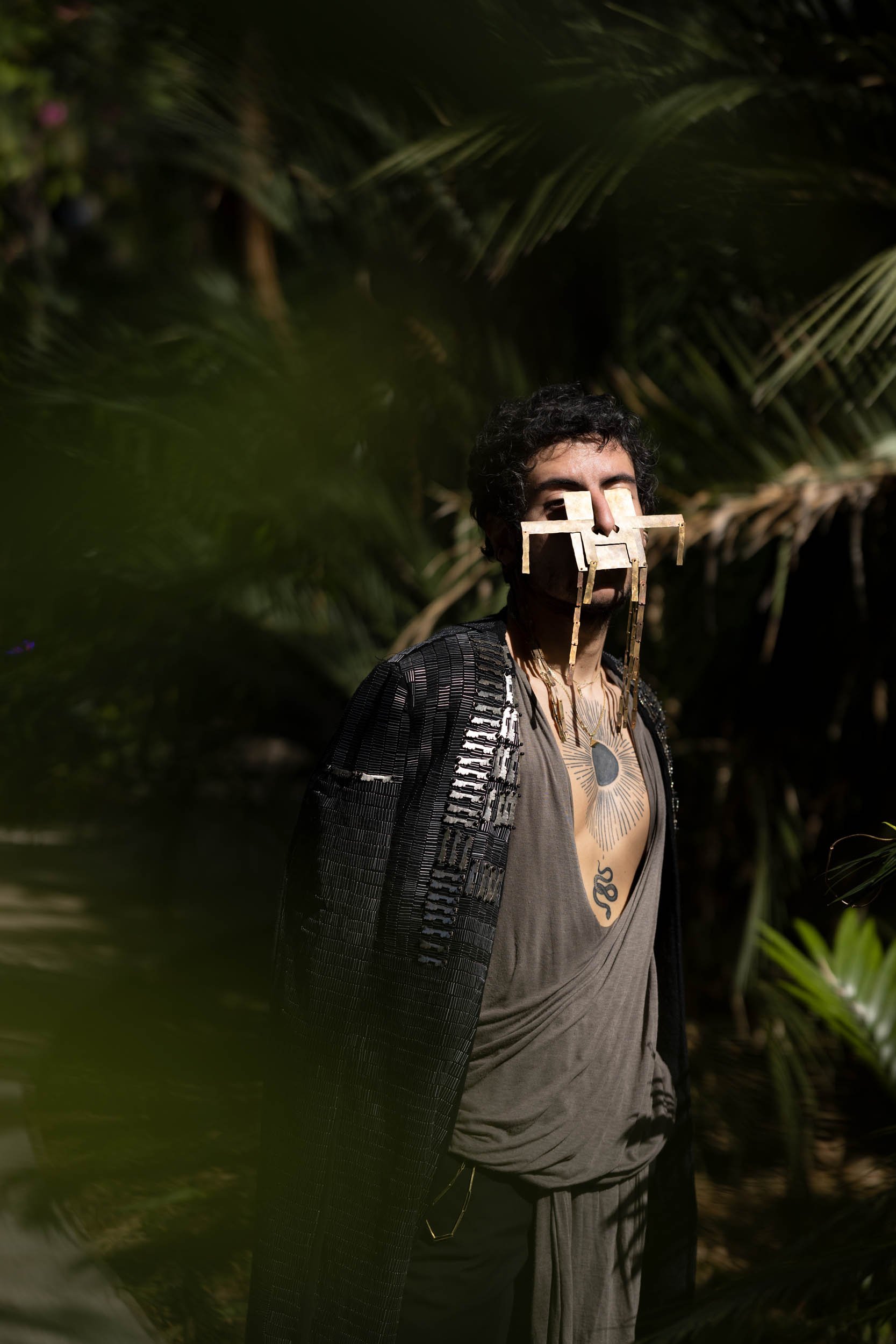
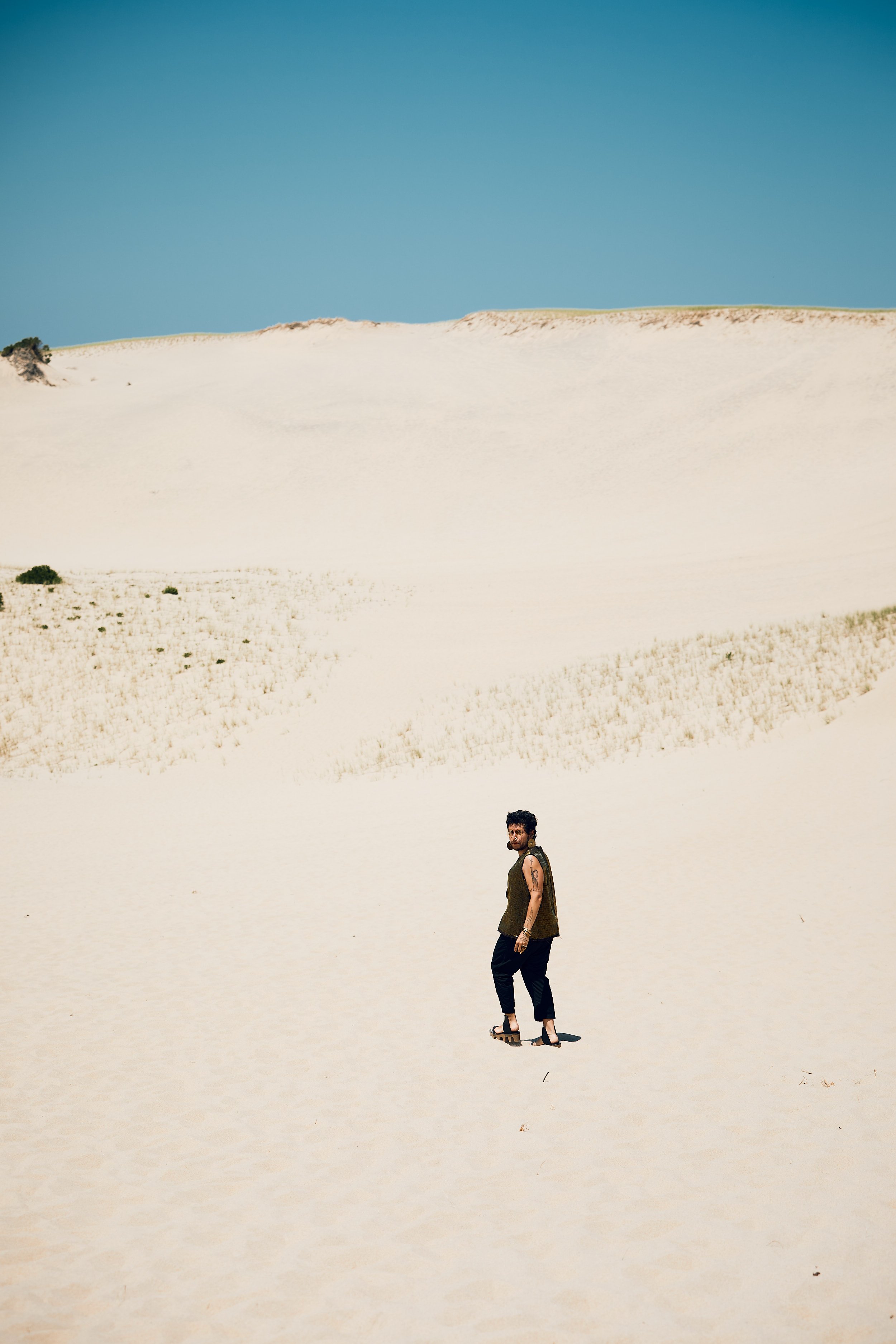

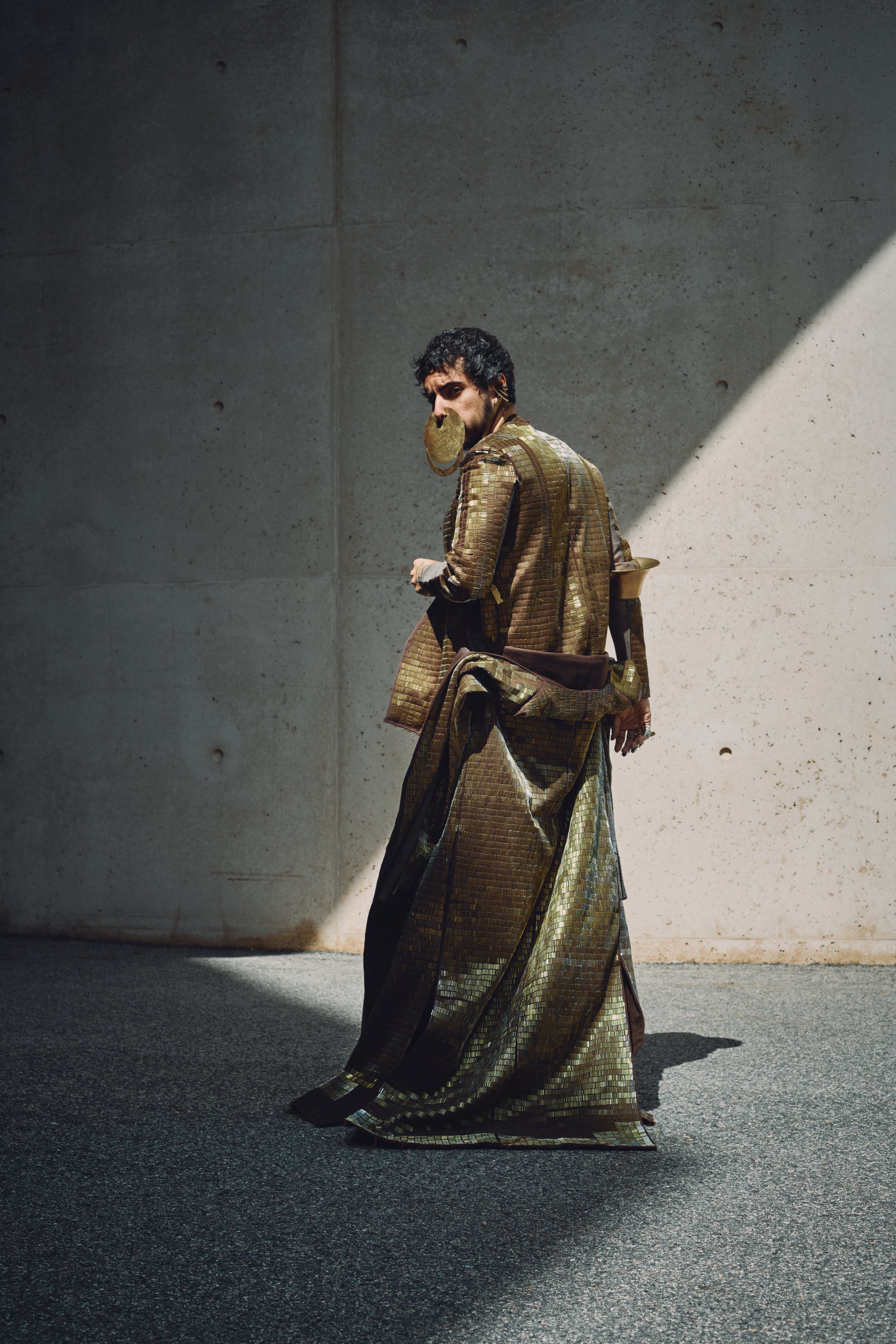
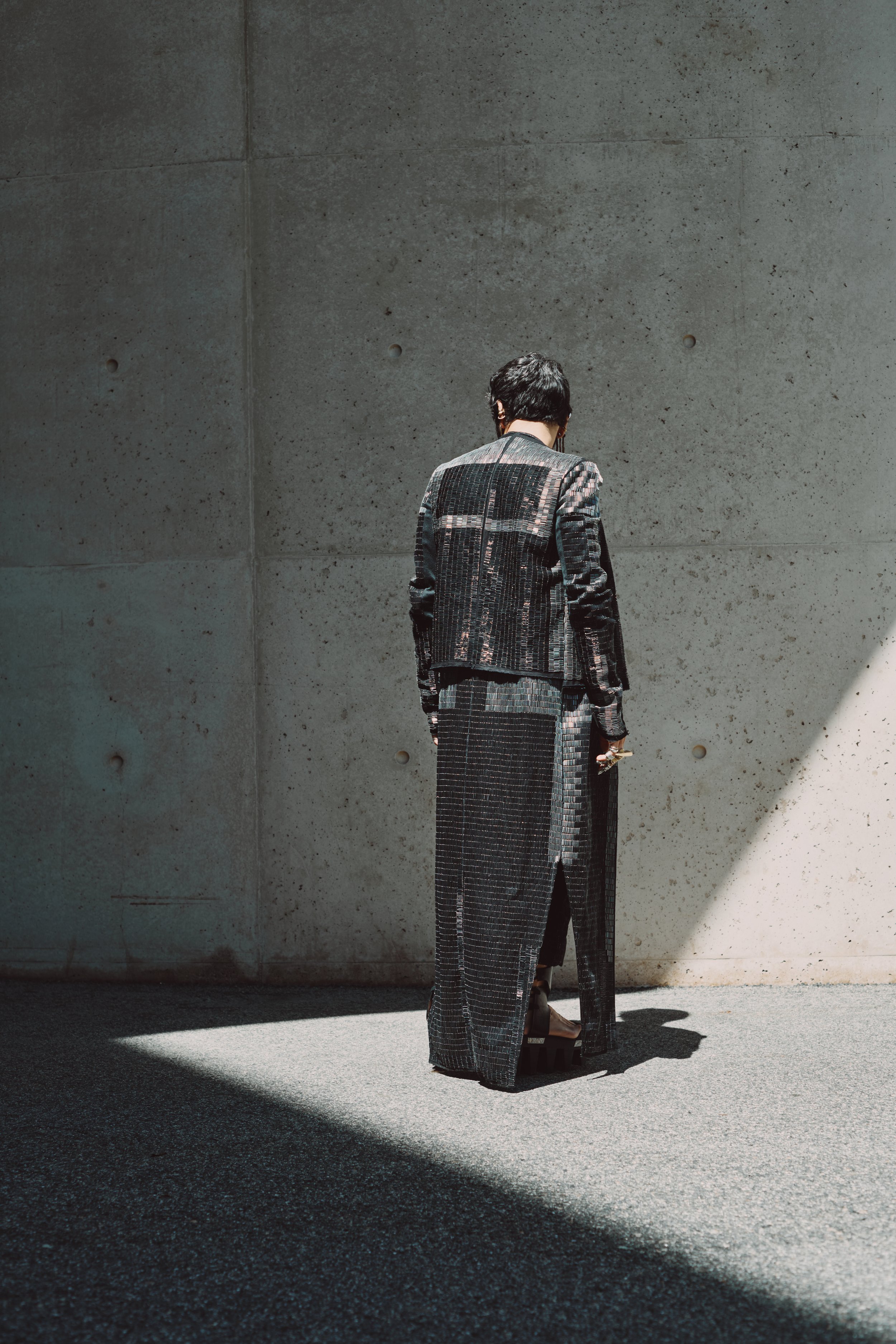


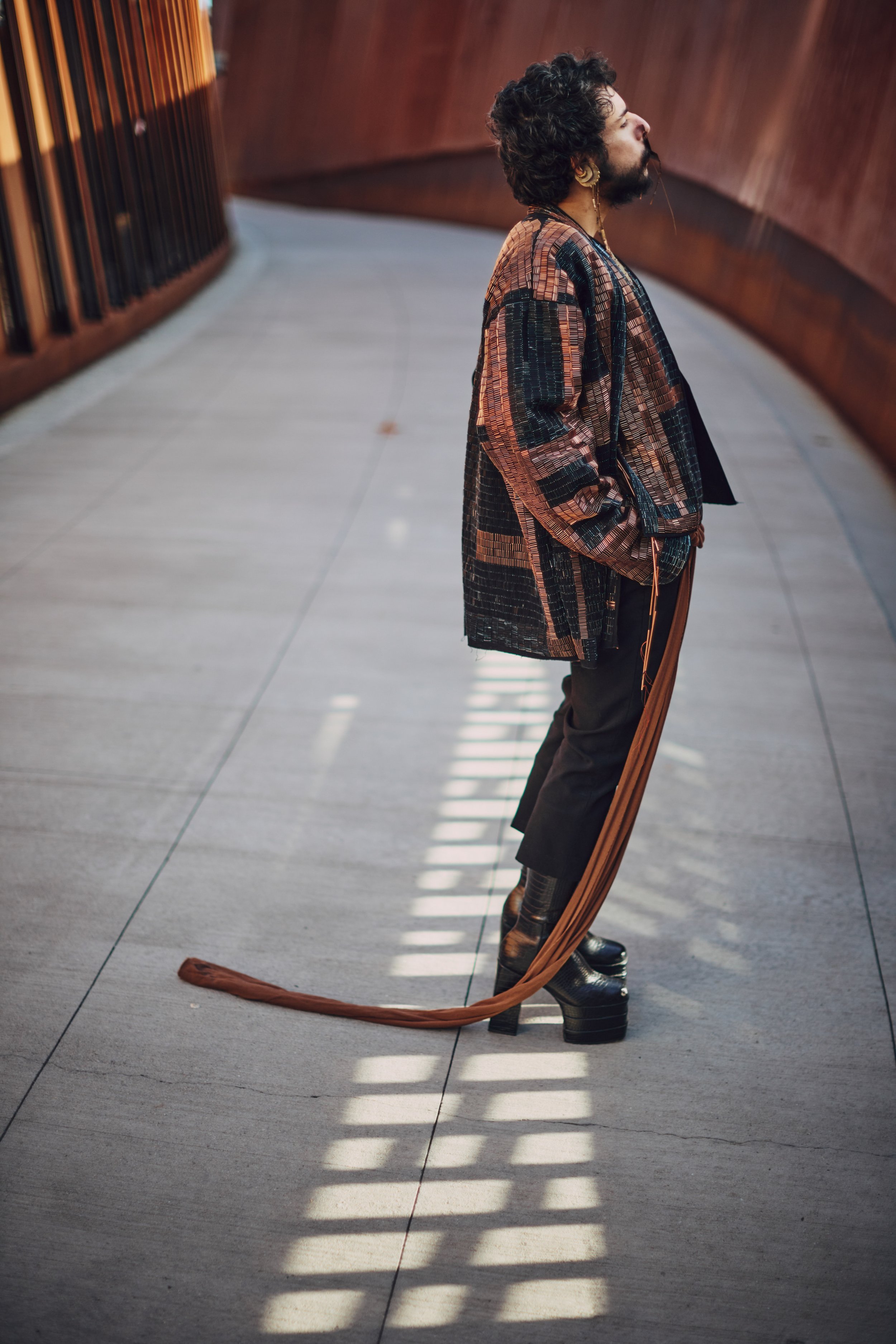


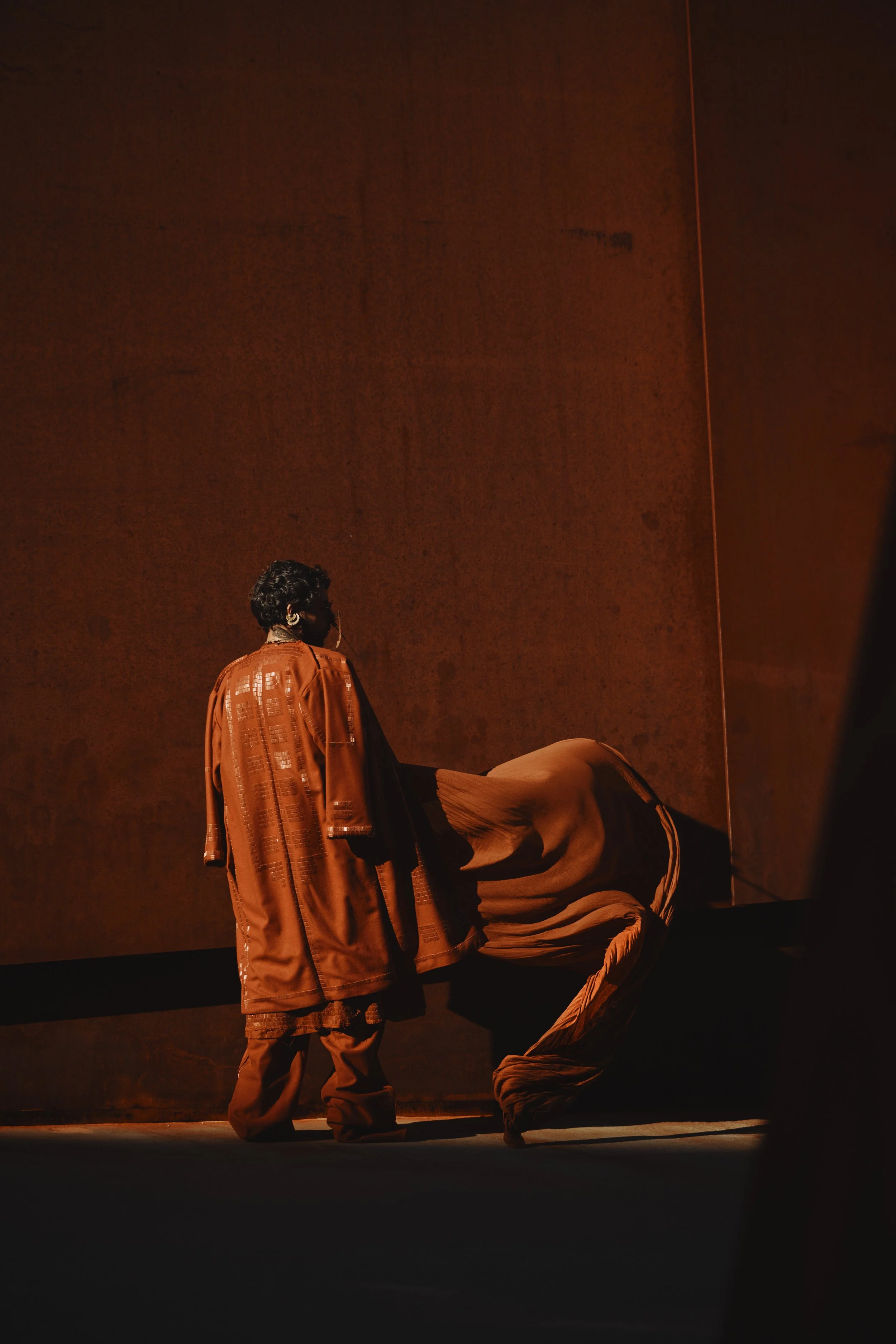
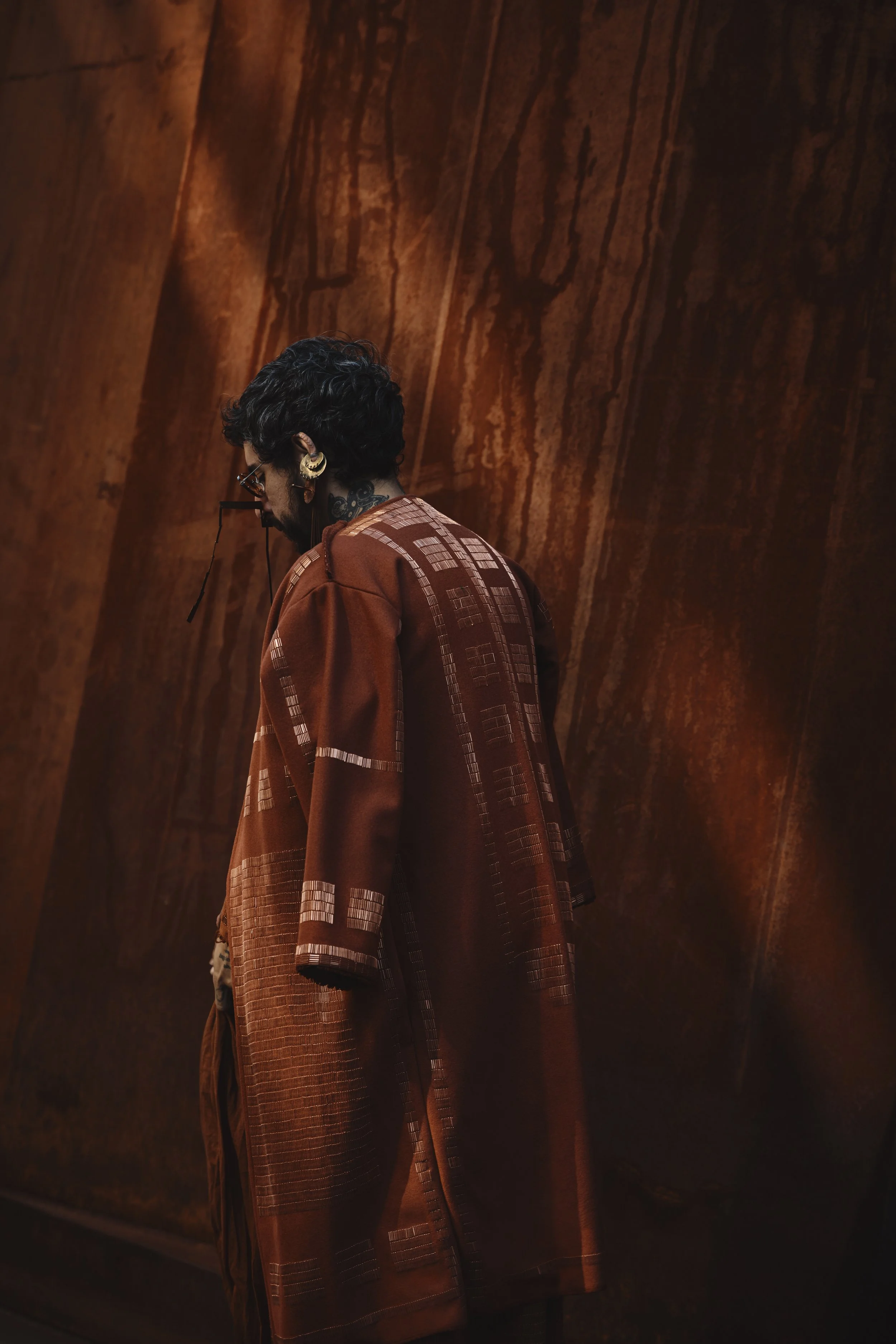
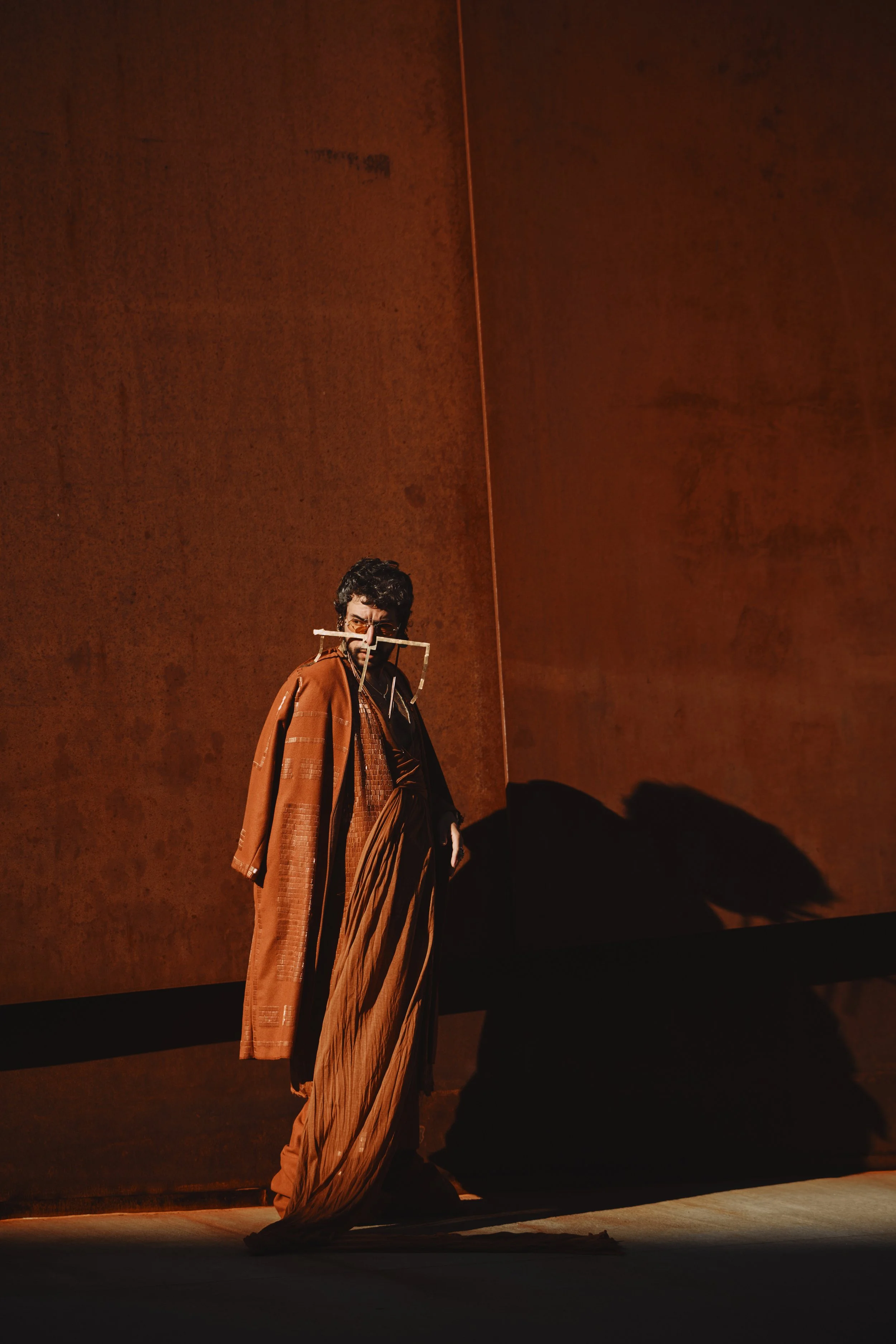
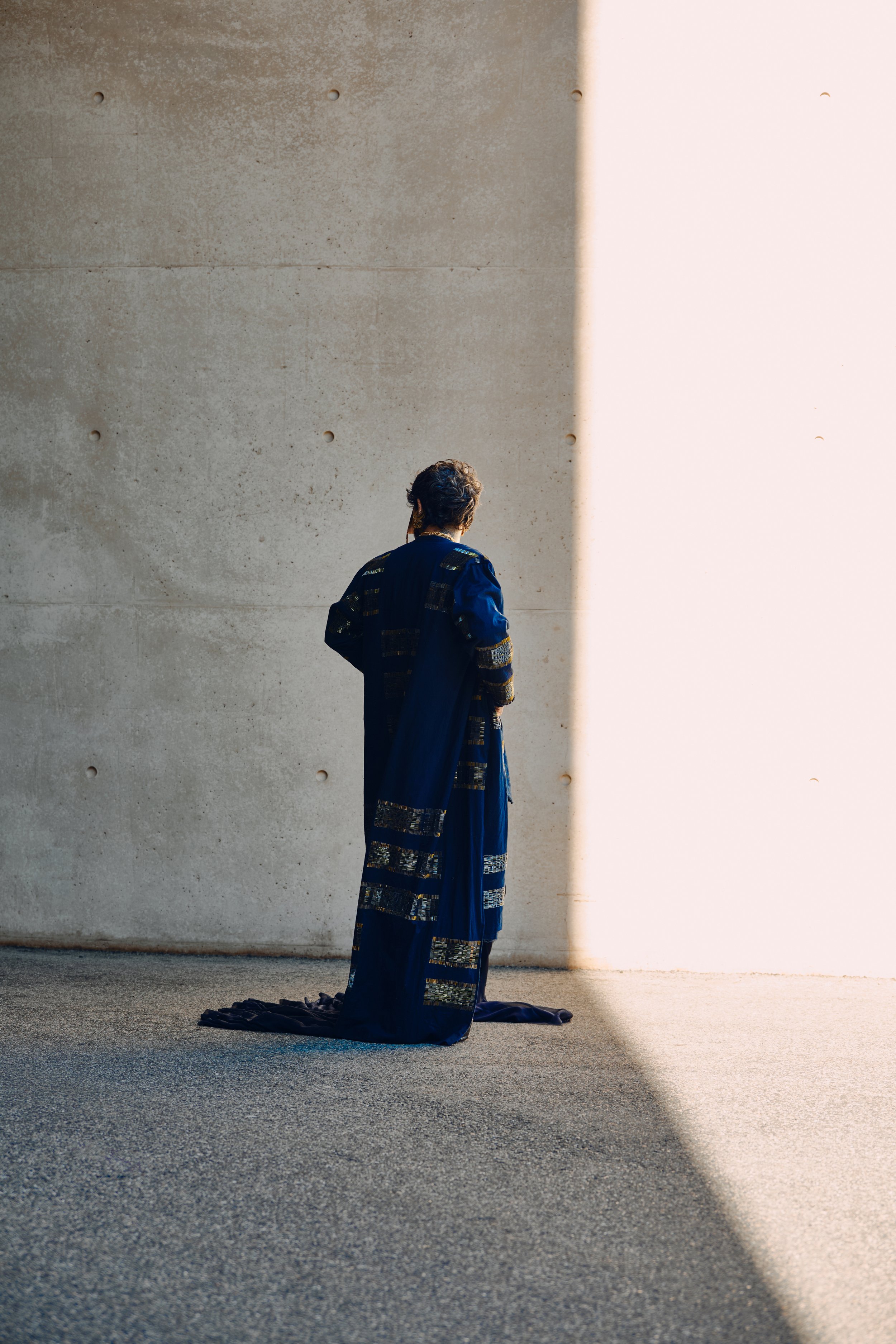
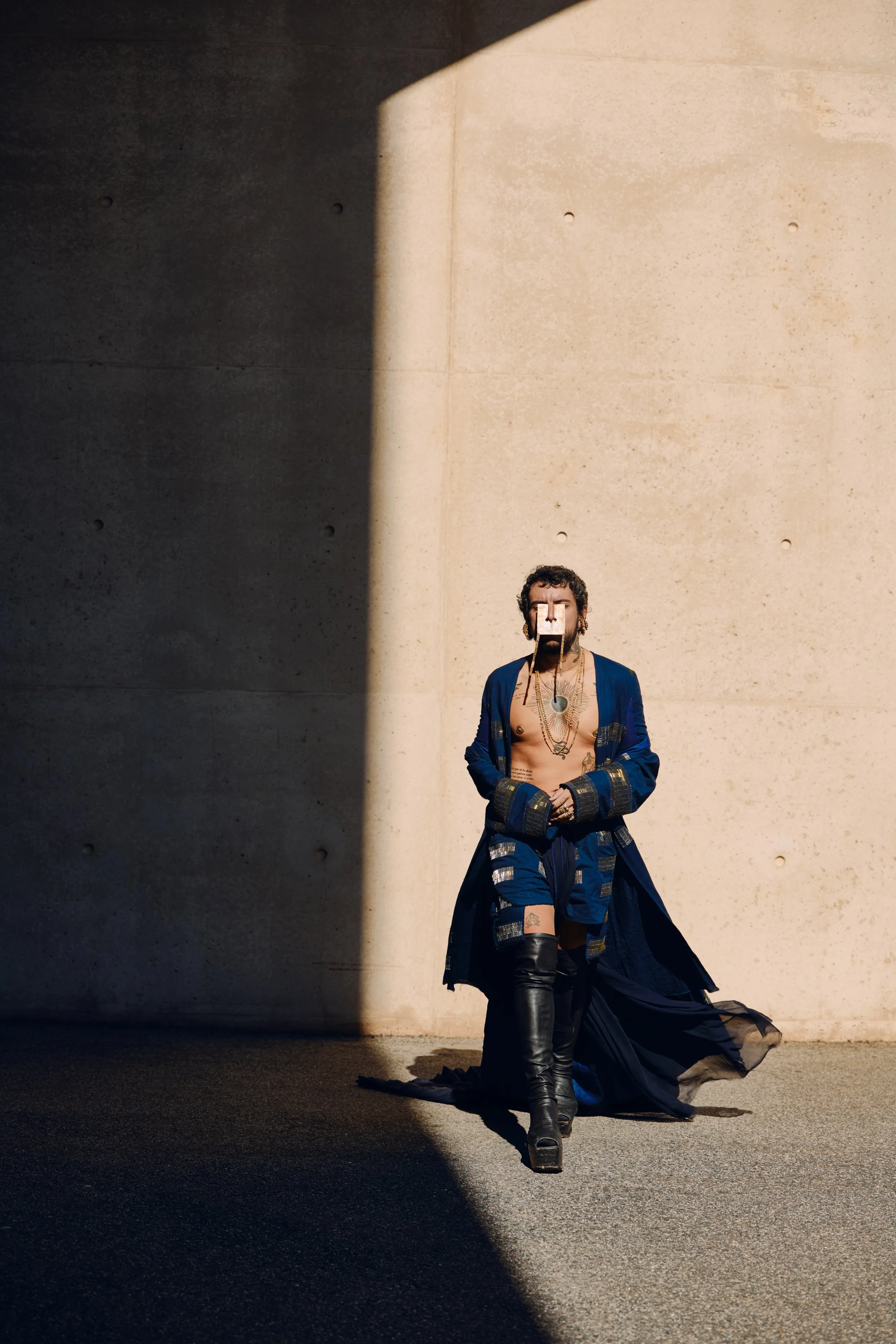
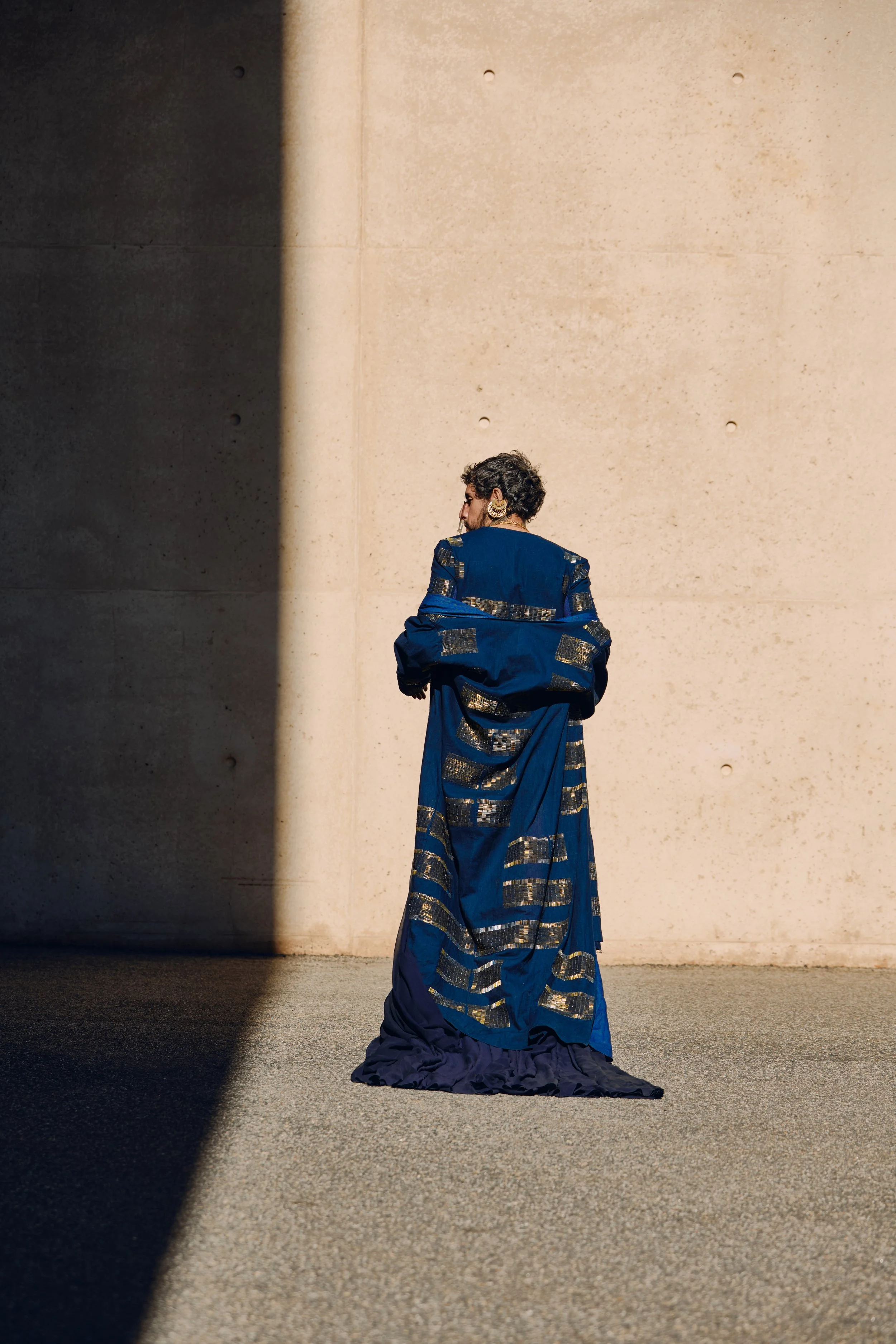
Here we conclude our journey through Perdida.
But soon, new Aspects will make themselves known, expanding on the world of A Él Mismo.
Gracias, se cuida.
- Christian
—-
Below are translations, and more in-depth information and references on the design and visual language found within A Él Mismo and the world building of Perdida.
Translations & references:
El Pensamiento - The Thought. - A reference to Seyn Zare, the black space of Thought + Memory, the beginning point of this project, where all stems from.
El del Monte - The One from the Mountain. - A tribute to Oaxaca + Monte Albán, where the idea for A El Mismo was born.
El Plateado - The Silvered One. - In part, a tribute to mi Mamá, who always wears silver, but also in reference to one of the alloys that makes up the tumbaga metal.
El Cobreado - The Coppered One. - A reference to one of the alloys that makes up the tumbaga metal.
El Quimbaya - The Quimbaya - A reference to the Pre-Hispanic culture, where I gained the knowledge of the tumbaga alloy.
El Guardián - The Guardian. - In the world of Perdida, this Aspect, with a mix of Copper + Black staples is meant to represent a Tumbaga of higher regard.
El Gran Tumbaga - The Great Tumbaga - In the world of Perdida, this is the ruler, or zipa of the Coppered Sector, Los Cobreados.
El Serpiente - The Serpent - A reference to the creation story of the Muisca, when Bachué turns into a serpent.
El Regreso - The Return - A narrative representation of Bachué and her child taking the form of serpents when they return to Lake Iguaque.
El Iluminado - The Enlightened One - A contemporary take on the Kogi’s dress, a visual representation of their enlighten state and connection to Nature.
El Dorado - The Golden One - A reference to the Muisca’s inaugural ceremony of the crowning of the new Zipa, as shown by the Musica Raft artifact.
El Jaguar - The Jaguar - A reference to the Jaguar, honor and respected in many Pre-Hispanic cultures.
El Eterno - The Eternal One - An exploration of death.
El Tumi - The Tumi - A reference to the ceremonial tumi knifes.
El Cobre - The Copper - A reference to the metal copper, a component that makes up the tumbaga alloy.
El Yerbero - The Herbalist - A personal reference, the main POV in the narrative of AEM.
El del Sol - The One from The Sun - A personification of the Sun, in reference to the worship of the Sun by many Pre-Hispanic cultures.
Words + Translation:
Tumbaga vs. tumbaga - When speaking of the inhabitants of Perdida, I use Tumbaga, and when speak of the metal alloy that inspired the fictional peoples, I use tumbaga.
Tumbaga - the name for a non-specific alloy of gold, copper, and small amounts of silver given by Spanish Conquistadors to metals composed of these elements found in widespread use in pre-Columbian Mesoamerica in North America and South America.
Perdida - Direct translation is “Lost”. The name for the fictional world of A El Mismo was pulled from the archeological site Ciudad Perdida, (locally know as Teyuna) located in the Sierra Nevada de Santa Marta in Colombia. It was a site that was originally inhabited by the Tairona, founded about 800 CE, it consists of 169 terraces carved into a mountainside, a network of tiled roads, and small circular plazas.
Zipa - The Muisca Confederation consisted of two rulers, the Zipa who was based in the south, and the Zaque to the north.
Tunjo - Small elaborate figures crafted by the Muisca from the tumbaga alloy, they were used in religious instances as small votive offerings.
A Él Mismo - To Himself.
Los Divinos - The Divine Ones - The deitites of the Tumbagas.
Los Plateados - The Silvered Ones - Inhabitants of the Silver Sector of Perdida
Los Cobreados - The Coppered Ones - Inhabitants of the Coppered Sector of Perdida
Color:
Black Staples - A reference to Seyn Zare, the transparent dark space where Thought and Memory live. This is visualized with black staples set into black linen, in large all consuming objects that are meant to shroud the subject in a space all their own. Further expanding on this dark space is the exaggerated fringe detailing, to visualize threads of thoughs and ideas, always going in many directions but originating from a single source.
Copper + Silver staples - A reference to the alloys that are mixed with gold that make up the tumbaga alloy. The Tumbagas are the peoples that reside within Perdida, living either in the Copper Sector, Los Cobreados or the Silver Sector, Los Plateados. When the two Sectors come together in worship, they manifest their deities, Los Divinos.
Gold Staples - A reference to the tumbaga alloy, which is made up of silver, copper, and gold that wasn’t abundant in some Pre-Hispanic regions. In the world of Perdida, the Aspects in gold are a personification of Pre-Hispanic beliefs and deities, brought to life when the Tumbagas come together in worship.
Textile:
Notice the Silver and Copper stapled pieces are always set into a black fabric base (either linen or wool), this is to make reference that those Aspects are tied to Seyn Zare, the dark space of Thought and Memory, the point from which they have originated. As opposed the Gold stapled pieces are always set in brown and other earth tone fabric bases, this choice is to reference the Muisca practice of always returning the gold metal back to the earth in the form of an offering. In the world building of Perdida, this sets Los Divinos apart from Los Tumbaga, one faction being the Divine, and the other Human.
Referenced Cultures & Peoples:
Muisca - A native peoples of Colombia found in the Altiplano Cundiboyacense, they flourished 600 to 1600 CE. Before the arrival of the Spanish, it is estimated that there were between 500,000 to 3,000,000 Muisca at their peak. Today there are just over 10,000 Chibchas in Colombia.
Quimbaya - A small indigenous group that inhabited areas around the valley of the Cauca River. They are most noted for the accuracy , detail, and developed advanced metallurgy techniques. A majority of Quimbaya gold work is made from tumbaga.
Tairona - A native peoples of Colombia that occupied the Sierra Nevada de Santa Marta region in present-day Magdalena, they flourished between 200 CE and 1600 CE. Today descendants of the Tairona continue to live in the lands of their ancestors. These modern-day Tairona are called the Kogi, Arhuacos, Wiwa, and Cancuamo.
Forth Coming
In depth exploration to the jewelry found throughout Perdida, the world of A Él Mismo.
Collecting the pieces of A El Mismo.

Christian Hernán De Restrepo Zúñiga Velázquez Betancourt, is a Boston-based American/Colombian first generation maker who explores the intersections of opposing worlds and the Self, by joining unusual and mundane materials to create a cohesive whole from disparate parts.
Through an obsessive ritualistic process, De Restrepo fabricates hand-worked textiles, primarily expanding the possibilities of his signature stapled fabric, la tela engradapa.
By transforming the textiles into objects that border the line between sculpture and wearability, he echoes the beliefs and technical artistry of his ancestors’ metalwork, and their respect for materials and the process.
—-
chrestrepo@gmail.com.